


Cultivating Influence: Sustained Civic Engagement for Asian Americans
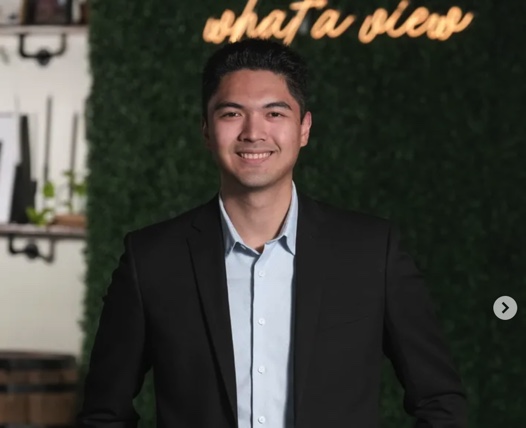
When I made the decision to relocate to Indianapolis in the summer of 2021, I arrived with a mix of focused determination and an eager, open curiosity about what the city held for me. It was the quintessential fresh start. Much like countless others who arrive in a new landscape, my immediate, primary focus was directed toward establishing and building my professional career and, perhaps more abstractly, discovering where I truly fit within this new community.
I threw myself into my work, navigating the challenges and opportunities of my new role. Yet, as the weeks turned into months, a deeper understanding began to surface. I realized that the profound, satisfying feeling of being truly "settled"—the feeling that makes a place feel like home—wasn't solely dependent on my success in the workplace. While career stability was important, it was only part of the equation. The true foundation of feeling rooted was the weaving of authentic, meaningful personal connections that transcended the boundaries of my professional life. It became clear that, to thrive, I needed to build a network of friendships and community ties that would give me a sense of belonging far beyond the walls of my office.
I didn’t just want to live in Indianapolis; I wanted to be part of it.

That sense of belonging didn’t come right away. It grew over time through the people I met and the spaces I entered. I began getting involved in leadership programs, nonprofit boards, and government committees. Through this intentional process of networking, I saw in real-time the importance of sharing my perspectives on crucial community issues, and tackling policy and infrastructure challenges. I started to develop a granular understanding of how the city truly operated, not just the surface-level workings, but the intricate mechanisms of policy, resource allocation, and public discourse. With each step, I started to understand how systems worked and how decisions were made. More importantly, I started to see where I fit in it.
Those experiences changed how I saw Indianapolis. It was no longer just the place where I worked. It became a place I cared about belonging in.
But along the way, I also noticed something that stuck with me.
Many of the pivotal opportunities that significantly shaped my career and civic trajectory were not easily accessible or advertised through conventional channels. In truth, they often emerged from professional connections, established networks, or e-intros within the industry. I fully acknowledge the element of fortune in these critical stepping stones whether it was a mentorship, a mutual connection, or a leadership program cohort.
I started asking myself: If I didn’t happen to meet the right people or be in the right room, would I have found these opportunities at all? For many Asian Americans in Indianapolis, the answer is likely no.
And what about the other talented, driven individuals who lack the same network or the sheer luck to encounter these non-publicized pathways to success? This realization fueled a conviction that systemic barriers, rather than a lack of capability, often prevent others from accessing these vital, hidden opportunities that are crucial for professional advancement and civic engagement.
There are so many talented, thoughtful, and community-minded individuals who want to give back. They want to serve on boards, connect with elected officials, and be part of shaping the future of the city. But when the pathways into civic leadership aren’t visible, it can be hard to know where to begin.

I believe serving in these capacities is one of the most tangible ways to shape how our communities thrive. These governing bodies make real decisions on housing, economic development, public infrastructure, and community investment; yet Asian Americans' representation in these spaces continues to lag behind. While Asians make up over 7% of the U.S. population1, they hold only about 2–3% of elected offices nationwide2, and just 3–5% of nonprofit board seats.3
This is not just an Indianapolis challenge; it reflects a broader national pattern of underrepresentation that limits which voices shape decisions at the local, city, state, and federal levels. Closing that gap requires strategic engagement. Increasing Asian participation on boards at all levels is critical to building long-term civic power, ensuring more inclusive outcomes, and creating a clearer pathway for the next generation of leaders to step into public service.
That realization stayed with me and eventually led to the creation of the APAPA Key Leadership Program.
As a board member of the Asian Pacific American Public Affairs Association (APAPA) Indiana Chapter, I wanted to help create something I wish had been clearer when I first arrived: a way for people to understand how to get involved and feel confident stepping into those spaces.
My primary motivation stemmed from a noticeable gap: a lack of clear, accessible pathways for engagement within the Asian community's civic and political landscape. When I first became involved, navigating these spaces felt unnecessarily opaque, a challenge I was determined to eliminate for others. I wanted to help create something tangible and practical: a comprehensive resource or mechanism that would not only inform people on how to get involved in advocacy, leadership, and public service but also instill the necessary confidence for them to feel secure and capable when stepping into those critical, often intimidating, spaces. Our goal, therefore, became to demystify the process of civic engagement, transforming it from an exclusive network into an inclusive, well-lit path for every aspiring leader in Indiana.
The program is built around a simple idea: people are more likely to lead when they can see themselves in leadership.
Our program is designed to be a comprehensive introduction to the nuances of civic life and community stewardship. We actively educate participants on the vital importance of serving on nonprofit and government boards, roles that are crucial in shaping the direction and well-being of our neighborhoods and wider communities. Furthermore, we provide instruction on effective engagement with elected officials and offer deep dives into how various civic institutions, from local government to community foundations, function and exert influence. This foundational knowledge is essential for effective advocacy and participation.
But the program's impact extends far beyond mere instruction. Just as important as the curriculum, we meticulously cultivate a welcoming, inclusive, and supportive environment. This intentional creation of a safe space transforms a learning experience into a communal one, where individuals feel valued, understood, and connected.
It is common for participants to join the program feeling unsure of their potential contribution initially, their unique perspective, or where they might fit into the broader civic landscape. They often underestimate the wealth of experience and insight they already possess. Over the course of the program, however, that initial uncertainty begins a profound and demonstrable shift.
They begin asking questions and making connections. Critically, they begin to envision themselves and their capacities, seeing themselves on commissions, in leadership positions, or as public advocates that they might never have considered possible before starting the program.
From initial self-doubt and lack of clarity to robust confidence and a clear vision for civic engagement, that’s the true, transformative core of what this program is designed to achieve. We don't just teach civics; we cultivate the next generation of confident, community-focused leaders.
And that shift from uncertain to confident is what the program is about.
Because when people begin to see themselves as leaders, everything changes. They start to engage more deeply. They invest more in the community. They begin to shape the future, not just observe it.
Embracing a leadership mindset sparks a profound, far-reaching transformation. When people see themselves as leaders of their families, teams, or communities, it unlocks agency and responsibility.
This deeper engagement moves folks from passive observers to active participants. They volunteer, contribute innovative ideas, and champion initiatives. They commit not just to tasks, but to the mission and the well-being of others.
Most importantly, they begin to shape the future. Leaders operate proactively, asking "What could be?" rather than reacting to "What is?" This future-focused stance allows them to set an inspiring vision, move from subjects of circumstance to architects of change, and ensure a legacy of progress.
And that matters for all of us.
Indianapolis is growing and becoming more diverse. For our city to thrive, the people helping guide it forward should reflect that diverse reality. When leadership includes a broader range of voices and experiences, decisions are more thoughtful, and communities are better served.
But creating that kind of leadership doesn’t happen by accident. It takes intention.
It means actively dismantling systemic barriers through proactive outreach and mentorship, and establishing clear pathways for advancement to make opportunities visible.
It means creating spaces where people feel welcomed, not intimidated. Where diverse perspectives are valued, and everyone feels they genuinely belong and can contribute their authentic selves without fear.

And it means recognizing that leadership doesn’t have to start with experience; it can start with a willingness to learn, contribute and take charge. We must shift from credentialing to cultivating potential leaders, supporting those who demonstrate initiative, passion, and a readiness to step up, and providing them with the necessary tools and guidance.
As the Key Leadership Program enters its second year, I’ve been encouraged by how many people are eager to step into these spaces once they know they can be a part of it. It reminds me that the interest has always been there. What’s been missing is access.
For me, this work has always come back to one idea: belonging.

It’s about making sure that when someone arrives in Indianapolis or Indiana, whether from another state or another country, they can find not just opportunity, but a way to be part of something bigger.

That they can see a path not only to live here, but to lead here.
And that is the kind of city I believe Indianapolis and this state can continue to become.
Photos courtesy of and written by Ephraim Palmero
1. U.S. Census Bureau. American Community Survey 2023 1-Year Estimates. Prepared by the U.S.
Census Bureau. 2023.
2. Asian Pacific American Institute for Congressional Studies. 2022 Annual Report. Washington, DC:
APAICS, 2022.
3. BoardSource. Leading with Intent: Review of Nonprofit Board Practices. Washington, DC:
BoardSource, 2021.


Comments